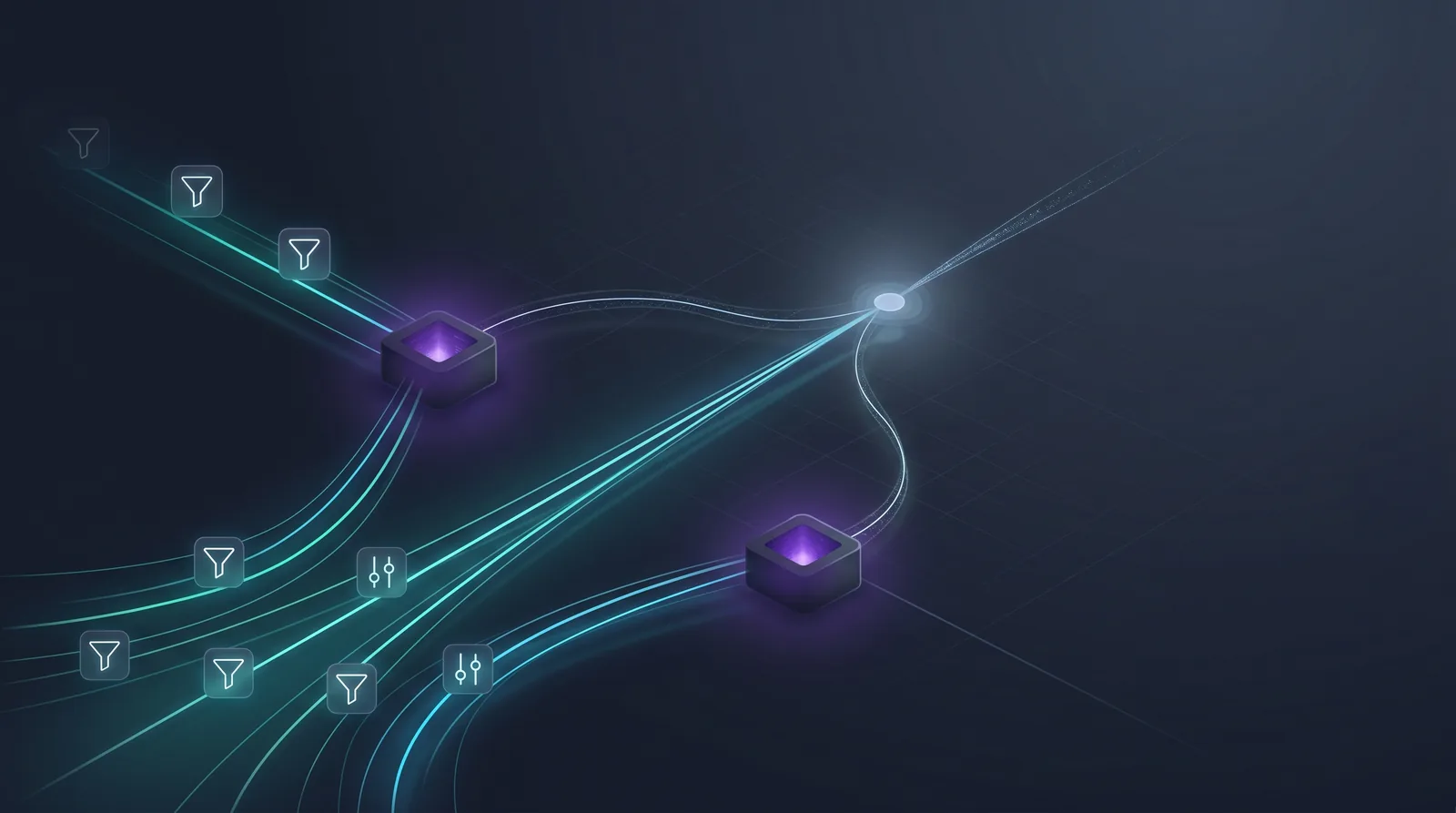
Every ETL pipeline is a thing you have to operate: schedule it, monitor it, alert on it, and reconcile when it drifts. For a large share of use cases, that copy never needed to exist.
SemanticFed lets a data engineer define the same shape as a virtual view over federated sources. Transformations and joins run at query time, pushed down where the engine can, so consumers see exactly the model they need without a materialized copy behind it.
You keep real pipelines for the cases that genuinely need pre-computation, and delete the rest — shrinking the surface area you have to keep alive.
Pre-launch scenario illustrating the virtualization approach being built.
Do it yourself
Model the shape a pipeline used to produce as a virtual view over your federated sources, point consumers at it through one contract, and retire the copy.
Open the Ontology and identify the model where the data a pipeline currently copies should live.
You should see: You're in the model that will hold the virtual view.
Ready to make this your story?